How Often Should I Have My Septic Tank Cleaned?
Septic Pumping Guidelines for the Finger Lakes, Ithaca & Chemung County, NY
If you own a home with a septic system in the Finger Lakes region, Ithaca, or Chemung County, one of the most common questions you’ll eventually ask is: “How often should I have my septic tank pumped?”
At Clean Earth Septic Services, we’ve pumped thousands of septic tanks throughout Upstate New York, and this question comes up almost every day. The short answer is every 2–4 years for most homes — but the full answer depends on several important factors.
Understanding how often your septic tank needs to be pumped is one of the best ways to prevent backups, protect your drain field, and extend the life of your entire septic system.
Why Septic Tank Pumping Matters
Your septic tank is designed to hold wastewater long enough for solids to settle and liquids to flow out into the drain field. Over time, solids build up in the tank and must be removed through routine pumping. If pumping is delayed too long, those solids can:
- Clog outlet pipes
- Damage the drain field
- Cause sewage backups into your home
- Lead to costly repairs or system failure
Routine septic pumping is far less expensive than repairing or replacing a failed system — especially in rural areas around the Finger Lakes where drain field replacement can be extensive.
Learn more about our Residential Septic Pumping Services here >>
Two Main Factors That Determine Pumping Frequency
There are two primary factors that determine how often your septic tank should be pumped:
1. Septic Tank Size
Most residential septic tanks are either 1,000 or 1,500 gallons, though older homes may have smaller tanks.
As a general guideline:
- 3-bedroom home: ~1,000-gallon tank
- 4–5 bedroom home: ~1,500-gallon tank
- Larger tanks can typically go longer between pumpings, while smaller or older tanks may require more frequent service.
2. Number of People in the Household
The more people living in your home, the more wastewater your septic system processes each day.
A household of:
- 1–2 people may only need pumping every 3–4 years
- 3–5 people may need pumping every 2–3 years
- Large families or multi-generational homes may need annual or bi-annual pumping
Homes in the Ithaca and Finger Lakes areas often host extended family, renters, or short-term guests — all of which increase system usage.
Septic Pumping Frequency Chart (General Guidelines)
While every system is different, these general guidelines help homeowners plan:
- 1,000-gallon tank
- 2 people: every 4 years
- 4 people: every 2–3 years
- 6 people: every 1–2 years
- 1,500-gallon tank
- 2–3 people: every 4 years
- 4–5 people: every 3 years
- 6+ people: every 1–2 years
These are guidelines — not guarantees. Usage habits matter just as much.
Additional Factors That Affect Pumping Frequency
Beyond tank size and household size, several lifestyle factors can increase how often your septic tank should be pumped:
Garbage Disposals
Homes with garbage disposals should pump more frequently. Food waste adds extra solids to the tank and breaks down slowly.
High Water Usage
If your household uses more water than average, your tank fills faster. This includes:
- Frequent laundry loads
- Long showers
- Multiple bathrooms used daily
What Goes Down the Drain
Certain items never break down properly in septic systems, including:
- Baby wipes (even “flushable” ones)
- Feminine hygiene products
- Paper towels
- Grease, oil, or food scraps
- Paint, solvents, or chemicals
These items increase sludge buildup and shorten pumping intervals.
How Do I Know My Septic Tank Size?
If you’re unsure of your septic tank size, don’t worry — many homeowners aren’t. Here are a few ways to find out:
- Check your home’s original building or septic permit
- Look at county or township records
- Ask a previous homeowner (if available)
- Ask your septic provider during your next pumping
At Clean Earth Septic Services, we’re happy to help identify your tank size and location during service and can even help you create a simple septic record for future reference.
Signs Your Septic Tank Needs to Be Pumped
Even if you’re not sure when your last pumping was, there are warning signs to watch for:
- Slow drains throughout the house
- Gurgling sounds from plumbing
- Sewage odors indoors or outside
- Wet or spongy areas near the drain field
- Sewage backing up into tubs or toilets
If you notice any of these, it’s best to schedule service right away.
Can You Pump My Septic Tank in the Winter?
Yes — winter septic pumping is absolutely possible in the Finger Lakes and Ithaca area. As long as:
- The tank access is reachable
- Driveways are plowed
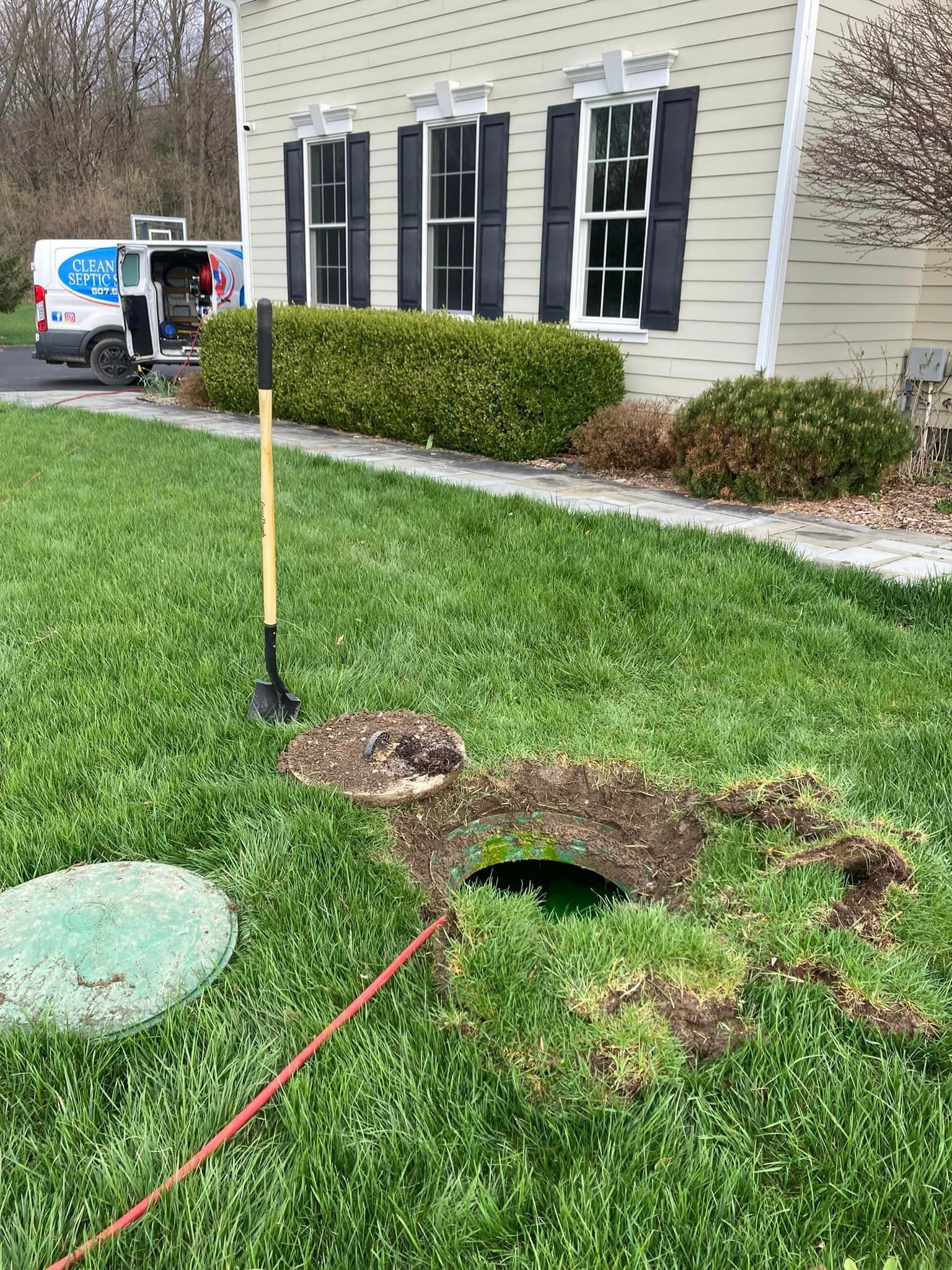
- The manhole cover can be located
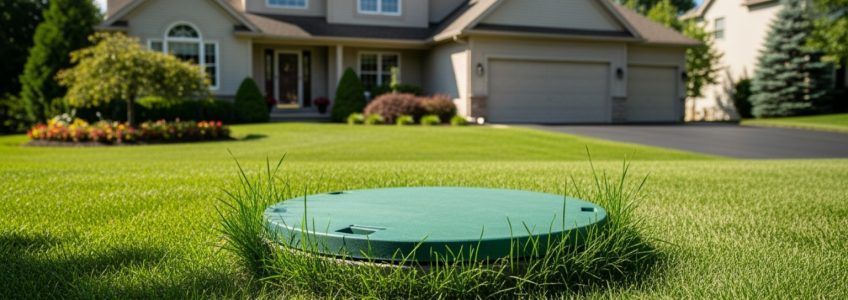
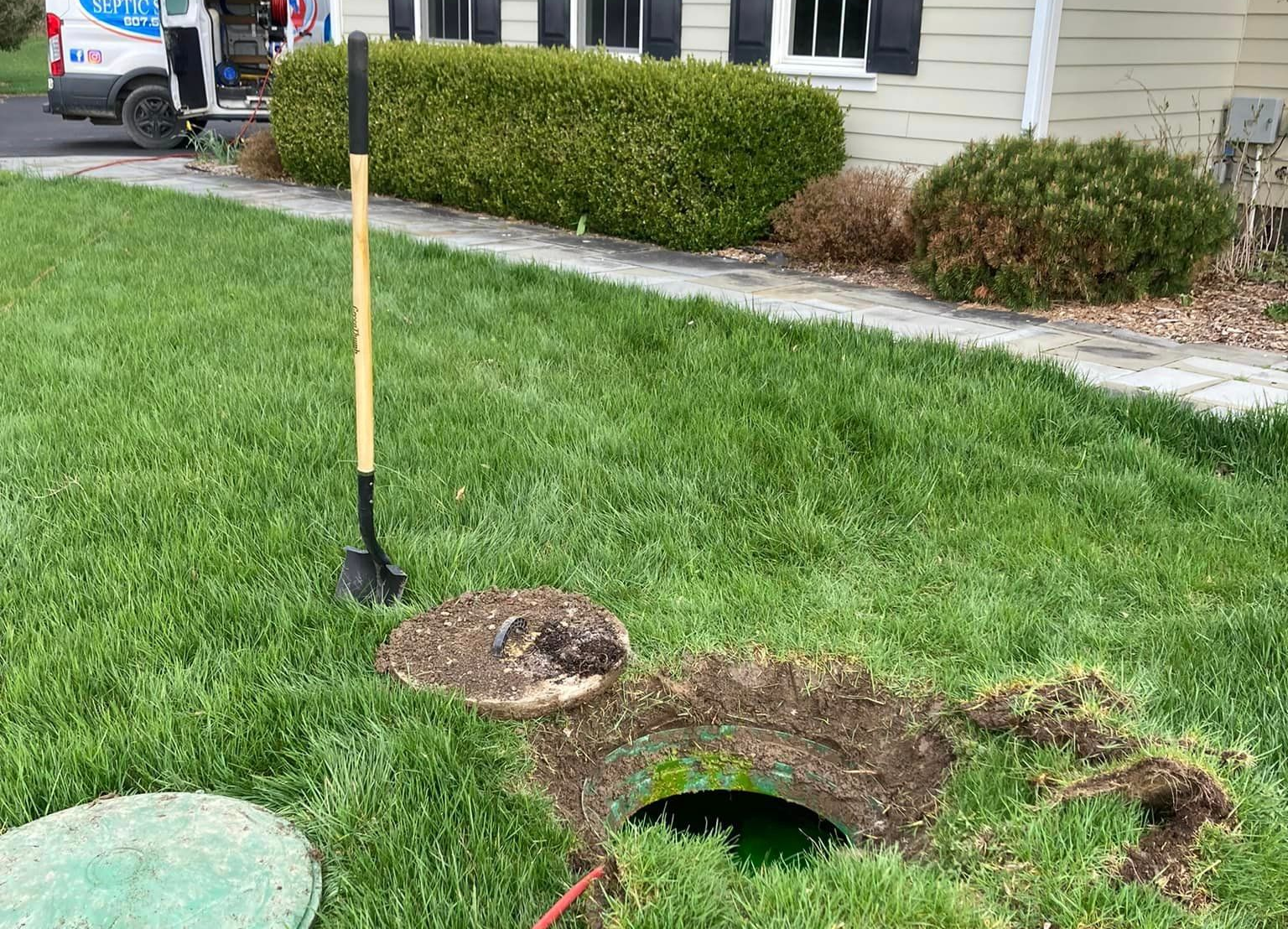
If your tank access is below grade, Clean Earth Septic Services can install septic risers to bring the lid to ground level — eliminating the need for digging during future services.
Do I Need to Be Home During Septic Pumping?
In most cases, no. As long as:
- The tank location is known or accessible
- Gates are unlocked
- Pets are secured
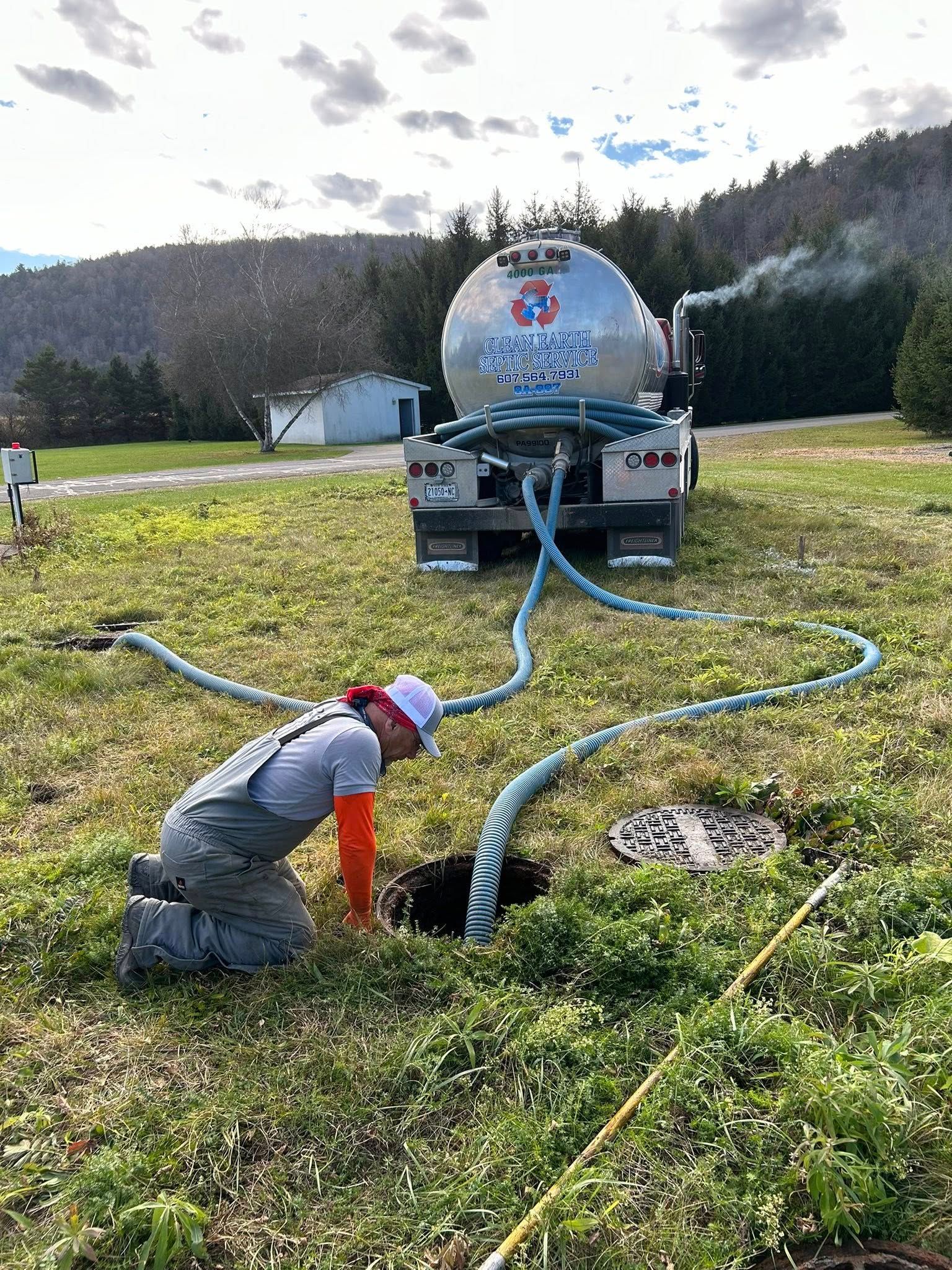
The pumping process typically takes 30–45 minutes, though it may take longer if access needs to be uncovered.
Can I Use a Garbage Disposal with a Septic System?
Yes — but sparingly. If your home has a septic system:
- Avoid grinding large amounts of food
- Never put grease or fats down the disposal
- When in doubt, throw it out
Unlike public sewer systems, you are responsible for septic maintenance, and excess solids can shorten the life of your system.
Are “Flushable” Wipes Safe for Septic Systems?
No — there is no such thing as a septic-safe flushable wipe. Unlike toilet paper, wipes:
- Do not break down easily
- Can clog pipes and baffles
- Accumulate in the tank for years
This includes baby wipes, cleaning wipes, makeup wipes, and paper towels — even those labeled “flushable.”
What Not to Flush: Septic Cheat Sheet
Never flush or rinse the following items into a septic system:
- Gasoline, oil, or petroleum products
- Cooking grease or fats
- Paint, paint thinner, or solvents
- Large amounts of antibacterial products
- Detergents high in phosphorous
- Feminine hygiene products
- Baby wipes or cleaning wipes
- Paper towels or tissues
Protecting your septic system starts with smart habits.
The Bottom Line: How Often Should You Pump?
For most homes in the Finger Lakes, Ithaca, and Chemung County, septic tanks should be pumped every 2–4 years. Never go longer than 5 years without septic pumping service.
Staying on schedule helps:
- Prevent backups
- Protect your drain field
- Extend system lifespan
- Avoid expensive emergency repairs
Schedule Septic Pumping with Clean Earth Septic Services
Clean Earth Septic Services proudly serves homeowners throughout the Finger Lakes region, Ithaca, and Chemung County, NY with reliable, professional septic pumping and maintenance services. If you’re due for septic service or unsure when your tank was last pumped, don’t wait for problems to arise.
Contact Clean Earth Septic Services today to schedule septic pumping or ask questions about your septic system - our team is always happy to help!
Share this post!
You might also like these helpful articles!