Why Your Septic System Works Harder in the Summer (And What You Can Do About It)
Summer is a time for backyard barbecues, family vacations, weekend guests, and making the most of the beautiful weather here in the Finger Lakes. But while you're enjoying the season, your septic system is quietly working overtime.
Many homeowners don't realize that summer often puts more stress on a septic system than any other time of year. Extra showers, more laundry, outdoor water use, and holiday gatherings all add up to significantly more wastewater flowing through your system.
The good news? A few simple habits can go a long way toward protecting your septic system and helping you avoid unexpected repairs during your busiest season.
Why Summer Is the Busiest Season for Your Septic System
Unlike your heating or air conditioning, your septic system doesn't get a break when the weather changes. In fact, many systems see their highest usage during the summer months. Think about everything happening around your home:
- Kids are home from school.
- Friends and family visit for weekends.
- Vacation rentals may have a new group of guests every few days.
- You're washing beach towels, swimsuits, and extra laundry.
- Outdoor entertaining means more dishes and cooking.
- Everyone is taking more showers after spending time outside.
None of these activities are harmful on their own. However, when they all happen at once, your septic system has to process much more wastewater than it normally would.
Your septic tank is designed to separate solids from wastewater over time. When too much water enters the system too quickly, it doesn't have enough time to do its job efficiently. This can increase the risk of backups, clogs, and unnecessary strain on your drainfield.
More Water Doesn't Always Mean Better
One of the biggest misconceptions homeowners have is that a septic system can handle unlimited water as long as nothing inappropriate is flushed. In reality, water itself is often the problem. Large amounts of water entering the tank over a short period can push partially treated wastewater through the system before solids have time to settle properly. Over time, this can allow solids to reach the drainfield, where they may contribute to costly repairs.
Try spreading water usage throughout the day whenever possible. Instead of:
- Running five loads of laundry back-to-back
- Having everyone shower within the same hour
- Running the dishwasher multiple times in one evening
Consider spacing these activities throughout the day or week. Small changes can significantly reduce stress on your septic system without changing your routine very much.
Protect Your Drainfield During Summer Projects
Summer is also the season for landscaping, outdoor projects, and backyard improvements. Unfortunately, many homeowners accidentally damage their drainfield without realizing it.
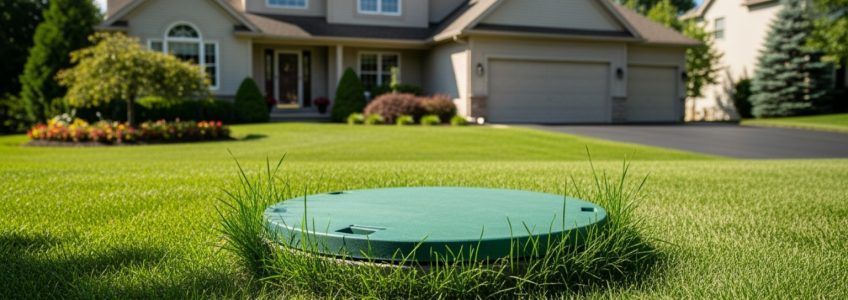
Your drainfield is responsible for filtering and dispersing wastewater after it leaves the septic tank. Compacted soil or damaged pipes can prevent it from working properly.
Before starting a project, remember to avoid placing heavy objects over your drainfield, including:
- Boats and trailers
- Campers or RVs
- Above-ground pools
- Storage sheds
- Construction materials
- Firewood piles
- Heavy landscaping equipment
- Even repeated vehicle traffic across the drainfield can compact the soil and reduce its ability to absorb wastewater effectively.
If you're unsure exactly where your drainfield is located, it's worth finding out before beginning any landscaping or construction project.
Be Mindful of What Goes Down the Drain
Summer gatherings often mean more cooking, grilling, and cleaning up afterward. While your septic system is designed to handle wastewater, certain materials can create problems over time.
Help protect your system by avoiding:
- Cooking grease and fats
- Coffee grounds
- Eggshells
- Large amounts of food scraps
- "Flushable" wipes
- Paper towels
- Feminine hygiene products
- Harsh chemicals or excessive bleach
Even products labeled as septic-safe may not break down as quickly as advertised. The fewer unnecessary materials entering your septic tank, the more efficiently it can operate.
Learn more about Septic Pumping Services in the Finger Lakes Region >>
Watch for Small Warning Signs Before They Become Big Problems
Septic issues rarely happen without warning. In many cases, homeowners notice subtle changes weeks before a backup or system failure occurs. Pay attention if you notice:
- Slow Drains Throughout the House
One slow sink may simply be a clogged drain. However, when multiple drains throughout the home begin draining slowly, your septic system may need attention. - Gurgling Pipes
Strange bubbling or gurgling sounds coming from sinks, toilets, or tubs can indicate wastewater isn't moving through the system properly. - Unpleasant Odors
A properly functioning septic system shouldn't produce noticeable sewage odors around your home or yard. Persistent smells may indicate a blockage, a full tank, or another issue that should be inspected. - Wet Areas or Exceptionally Green Grass
If part of your yard is unusually wet or noticeably greener than the surrounding lawn, wastewater may not be dispersing properly beneath the surface.
Addressing these warning signs early is often far less expensive than waiting until a complete backup occurs.
Don't Forget Routine Septic Pumping
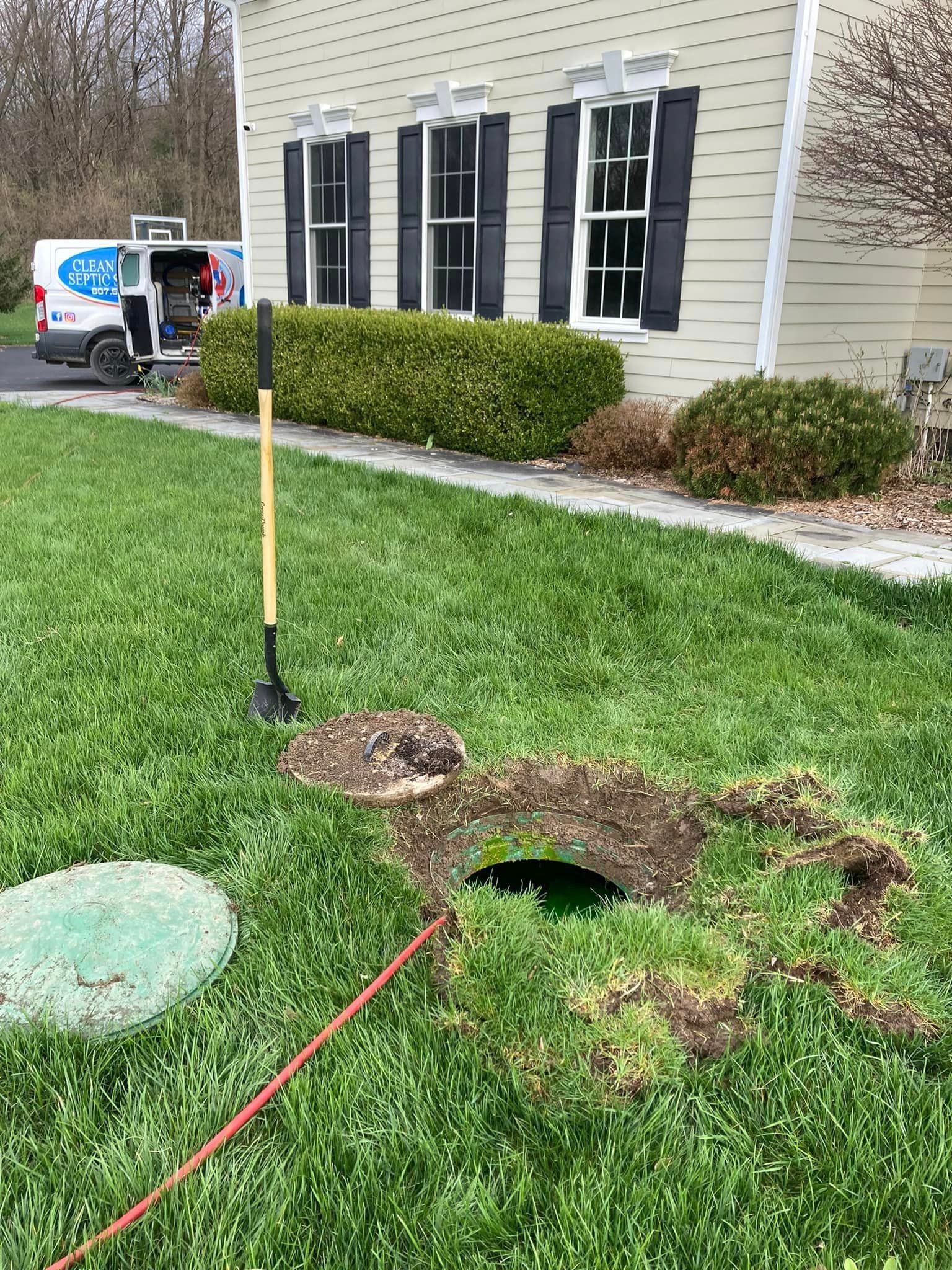
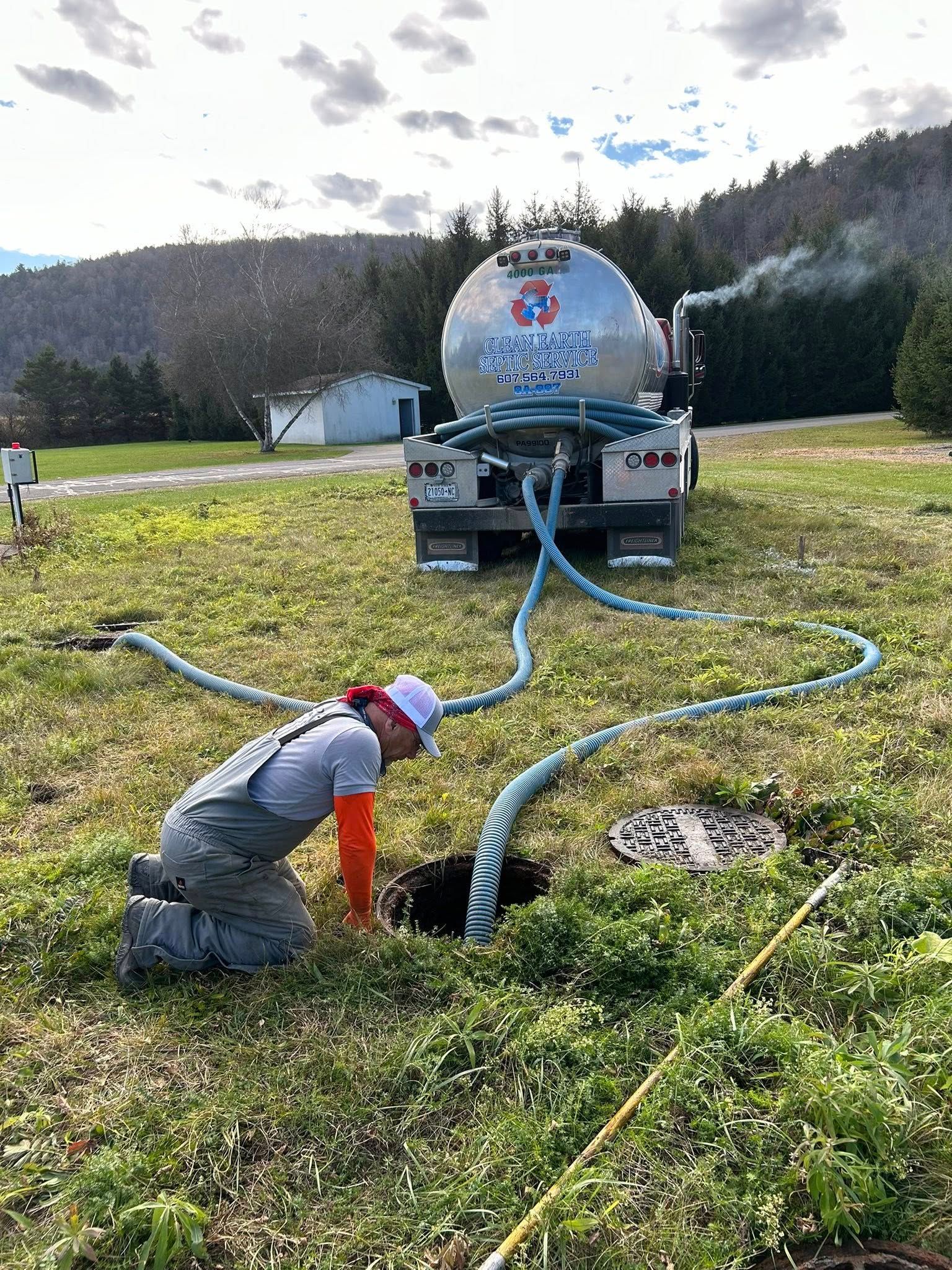
One of the best ways to protect your septic system year-round is regular maintenance. Over time, solid waste naturally accumulates inside the septic tank. Pumping removes these solids before they can interfere with the system or reach the drainfield.
Most residential septic systems should be pumped every three to five years, although the ideal schedule depends on factors such as:
- Household size
- Tank capacity
- Water usage habits
- Garbage disposal use
- The age of your septic system
If you're not sure when your tank was last pumped, summer is an excellent time to schedule an inspection and establish a maintenance schedule.
Learn more about Septic Pumping in Ithaca, NY >>
Enjoy Summer Without Worrying About Your Septic System
Your septic system is one of the hardest-working parts of your home, especially during the busy summer months. Fortunately, protecting it doesn't require major changes—just a little awareness and routine maintenance.
By spreading out water usage, protecting your drainfield, watching for early warning signs, and staying current with septic pumping, you can help your system continue operating efficiently for years to come.
If you have questions about your septic system or it's time for routine maintenance, the team at Clean Earth Septic Service is here to help. From septic pumping and inspections to drainfield repairs and hydro jetting, we're committed to keeping your system running smoothly throughout every season. Contact us today >>
Frequently Asked Questions About Summer Septic Care
- Why does my septic system have more problems in the summer?
Summer often brings increased water usage from guests, children being home, extra laundry, outdoor activities, and entertaining. This additional demand can place more stress on your septic system than during other times of the year.
- How often should a septic tank be pumped?
Most homes benefit from septic pumping every three to five years, though the ideal schedule depends on your household size, water usage, and the size of your septic tank.
- Can too much water damage a septic system?
Yes. Excessive water entering the system over a short period can reduce the amount of time wastewater remains in the septic tank, making it more difficult for solids to separate properly and increasing strain on the drainfield.
- Is it okay to park on a drainfield?
No. Vehicles, campers, boats, and heavy equipment can compact the soil or damage underground components, reducing your drainfield's ability to filter wastewater effectively.
- What are the first signs of septic problems?
Common warning signs include slow drains throughout the home, gurgling pipes, sewage odors, standing water near the drainfield, or unusually lush patches of grass. If you notice any of these, it's a good idea to schedule a professional inspection.
LEARN MORE:
Share this post!
You might also like these helpful articles!